






Tree Nuts
A Comprehensive Look at Nature’s Nutrient Powerhouses
4/18/2025
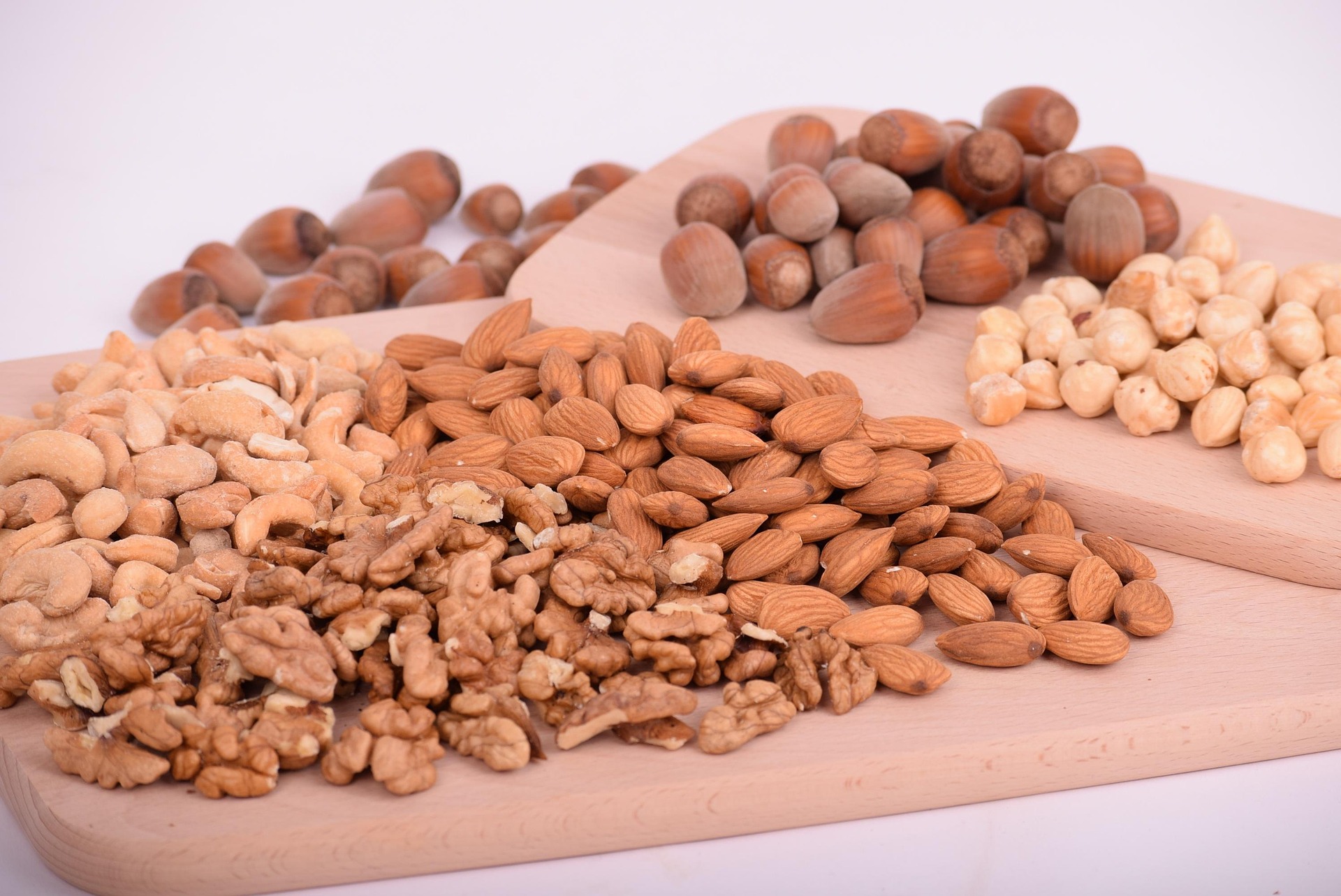
Tree nuts have been celebrated for centuries not just for their satisfying crunch and flavor, but for their dense nutritional content and versatility in culinary use. Grown on trees or shrubs, tree nuts are consumed globally and form a staple in many diets, particularly those focused on heart health, protein supplementation, or plant-based nutrition. However, for all their benefits, they can also be among the most dangerous allergens in the food world. This article explores the origins, types, health benefits, allergy risks, and buying tips—including whether salted or unsalted options are best—for a wide selection of tree nuts.
Tree nuts are edible seeds encased in a hard shell and typically harvested from woody plants like trees or large shrubs. Unlike legumes (such as peanuts, which grow underground), tree nuts are found on branches and require processing to remove their outer shells before they are ready to eat.
Common Tree Nuts Include:
-
Almonds
-
Walnuts
-
Pistachios
-
Cashews
-
Hazelnuts
-
Pecans
-
Brazil nuts
-
Macadamia nuts
-
Pine nuts
-
Chestnuts
Each of these nuts is botanically and nutritionally distinct, with different growing climates, harvesting methods, and flavor profiles.
Tree nuts thrive in temperate to tropical climates, with each variety having unique environmental requirements:
Almonds-
Origin & Growing Regions: Native to the Middle East and South Asia, but now heavily cultivated in California’s Central Valley, which produces over 80% of the world’s almonds.
-
Growth: On small deciduous trees requiring hot, dry summers and cool winters.
-
Origin & Growing Regions: Central Asia and the Mediterranean. The United States, particularly California, is a major producer.
-
Growth: On tall trees with large, spreading branches.
-
Origin & Growing Regions: Native to northeastern Brazil; now widely grown in Vietnam, India, and parts of Africa.
-
Growth: On cashew trees, with the nut growing outside a fruit called a cashew apple.
-
Origin & Growing Regions: Middle East and Central Asia; modern cultivation in the U.S., Iran, Turkey, and Syria.
-
Growth: On small trees that thrive in arid climates.
-
Origin & Growing Regions: Europe and western Asia. Turkey is the largest producer, followed by Italy and the U.S.
-
Growth: On shrubs or small trees.
-
Origin & Growing Regions: Native to North America, especially the southern U.S. states like Georgia and Texas.
-
Growth: On large, long-living trees in warm climates.
-
Origin & Growing Regions: Native to the Amazon rainforest, primarily harvested in Bolivia, Brazil, and Peru.
-
Growth: On massive rainforest trees, reaching up to 150 feet.
-
Origin & Growing Regions: Native to Australia; cultivated in Hawaii, South Africa, and Central America.
-
Growth: On evergreen trees.
-
Origin & Growing Regions: Found in the cones of various pine tree species. Harvested in Asia, Europe, and North America.
-
Growth: On pine trees in mountainous or forested areas.
-
Origin & Growing Regions: Found in Europe, Asia, and the U.S.
-
Growth: On tall chestnut trees; unlike others, chestnuts are starchy rather than oily.
Tree nuts are rich in healthy fats, protein, fiber, vitamins, and minerals. Though calorically dense, their nutrient profile makes them excellent for balanced diets. Here's how they stack up nutritionally:
-
Benefits: High in vitamin E, calcium, magnesium, and antioxidants. Great for heart health and skin.
-
Best For: Lowering cholesterol and blood pressure.
-
Benefits: Rich in omega-3 fatty acids, anti-inflammatory compounds.
-
Best For: Brain health and reducing inflammation.
-
Benefits: Loaded with copper, magnesium, and zinc.
-
Best For: Bone health and immune function.
-
Benefits: High in potassium, B6, and antioxidants. Lower in fat than most nuts.
-
Best For: Weight management and eye health.
-
Benefits: Packed with vitamin E, folate, and manganese.
-
Best For: Skin, hair, and cardiovascular health.
-
Benefits: High in monounsaturated fats and flavonoids.
-
Best For: Heart and anti-aging benefits.
-
Benefits: Exceptionally high in selenium (just one nut meets the daily requirement).
-
Best For: Thyroid health and antioxidant support.
-
Benefits: High in monounsaturated fats and low in omega-6.
-
Best For: Improving cholesterol levels and metabolic health.
-
Benefits: Contain pinolenic acid, which may suppress appetite.
-
Best For: Weight control and boosting energy.
-
Benefits: Lower in fat, high in vitamin C and fiber.
-
Best For: Digestive health and blood sugar control.
Tree nut allergies are among the most common—and potentially severe—food allergies. These reactions are caused by the immune system mistakenly identifying proteins in the nut as harmful.
-
Cashews
-
Walnuts
-
Almonds
-
Brazil nuts
-
Hazelnuts
-
Pecans
-
Pistachios
-
Macadamia nuts
-
Itching or swelling of the mouth and throat
-
Hives or skin reactions
-
Stomach pain, nausea, or vomiting
-
Anaphylaxis (a potentially life-threatening reaction that requires immediate medical intervention)
Note: Individuals allergic to one tree nut often need to avoid all tree nuts due to the high risk of cross-contamination in processing facilities.
When buying nuts in bulk for health reasons, many are faced with the choice: salted or unsalted? Here's how they compare:
-
Pros: More flavorful and satisfying for those transitioning from processed snacks.
-
Cons: High sodium content can lead to increased blood pressure and water retention, counteracting the heart-health benefits.
-
Pros: Preserve the full health value without added sodium; better for cardiovascular health and those on low-sodium diets.
-
Cons: May taste bland to some, but better for long-term health.
Recommendation: Choose unsalted nuts when buying in bulk for health reasons. If taste is a concern, lightly roast or season them at home with herbs or spices like cinnamon, paprika, or rosemary for added flavor without the salt.
-
Freshness: Always check harvest and expiration dates. Nuts can go rancid quickly due to their fat content.
-
Storage: Keep in a cool, dark place. For long-term storage, refrigerate or freeze in airtight containers.
-
Organic vs. Non-Organic: Organic nuts are free from synthetic pesticides, making them a cleaner choice.
-
Bulk Buying: Ideal for saving money, but ensure the source is reputable to avoid contamination and spoilage.
Tree nuts are one of nature’s most powerful superfoods—nutrient-dense, heart-healthy, and incredibly versatile in the kitchen. Whether you prefer the creamy crunch of cashews or the robust richness of walnuts, including a variety of nuts in your diet offers a spectrum of health benefits.
However, for those with allergies, tree nuts represent a serious health hazard and must be strictly avoided. For health-focused snacking or dietary supplementation, unsalted nuts are the superior choice—delivering all the benefits without the sodium overload. Choose wisely, eat mindfully, and savor these botanical treasures that grow high above in the canopies of the world's forests and orchards.