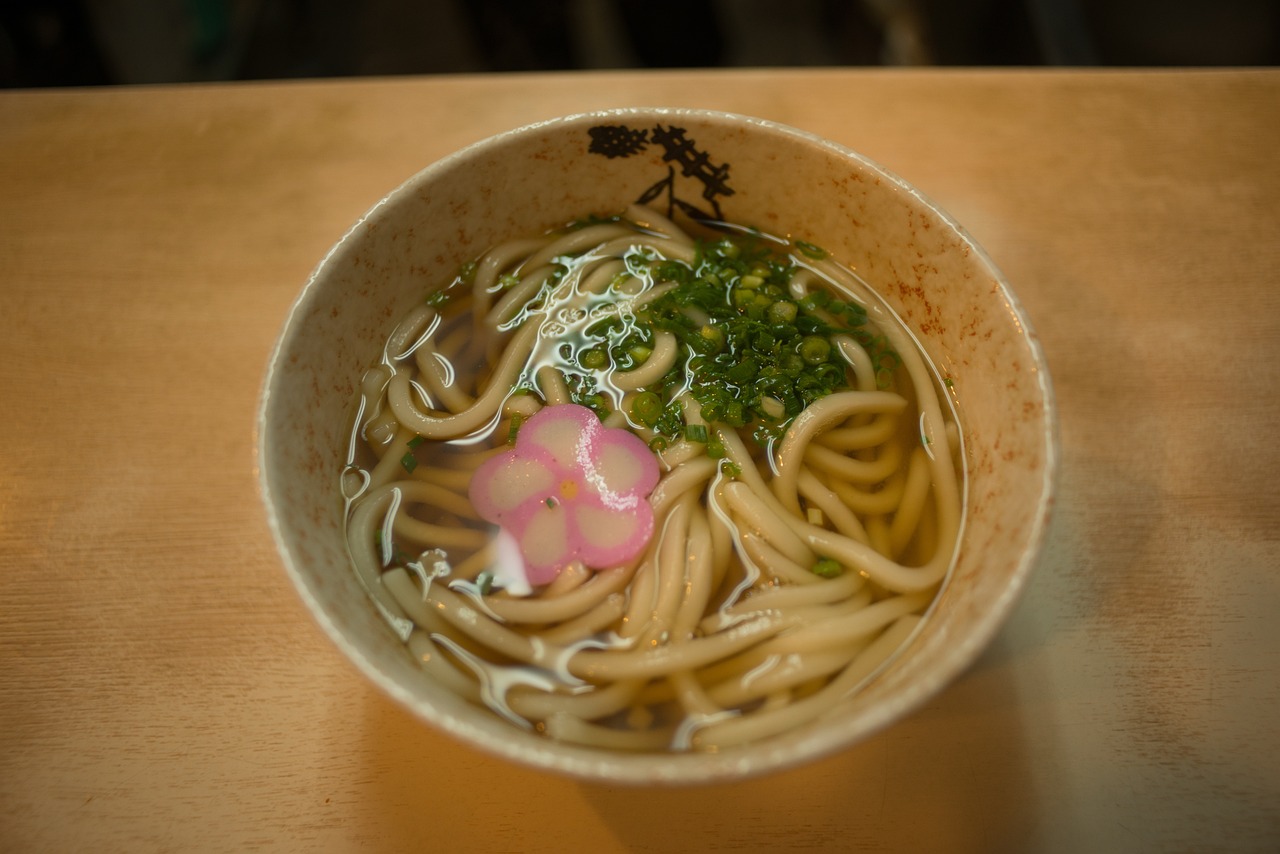






Udon - Japan’s Beloved Noodle
A Journey Through History, Tradition, Flavor, and Nutrition
7/27/2026
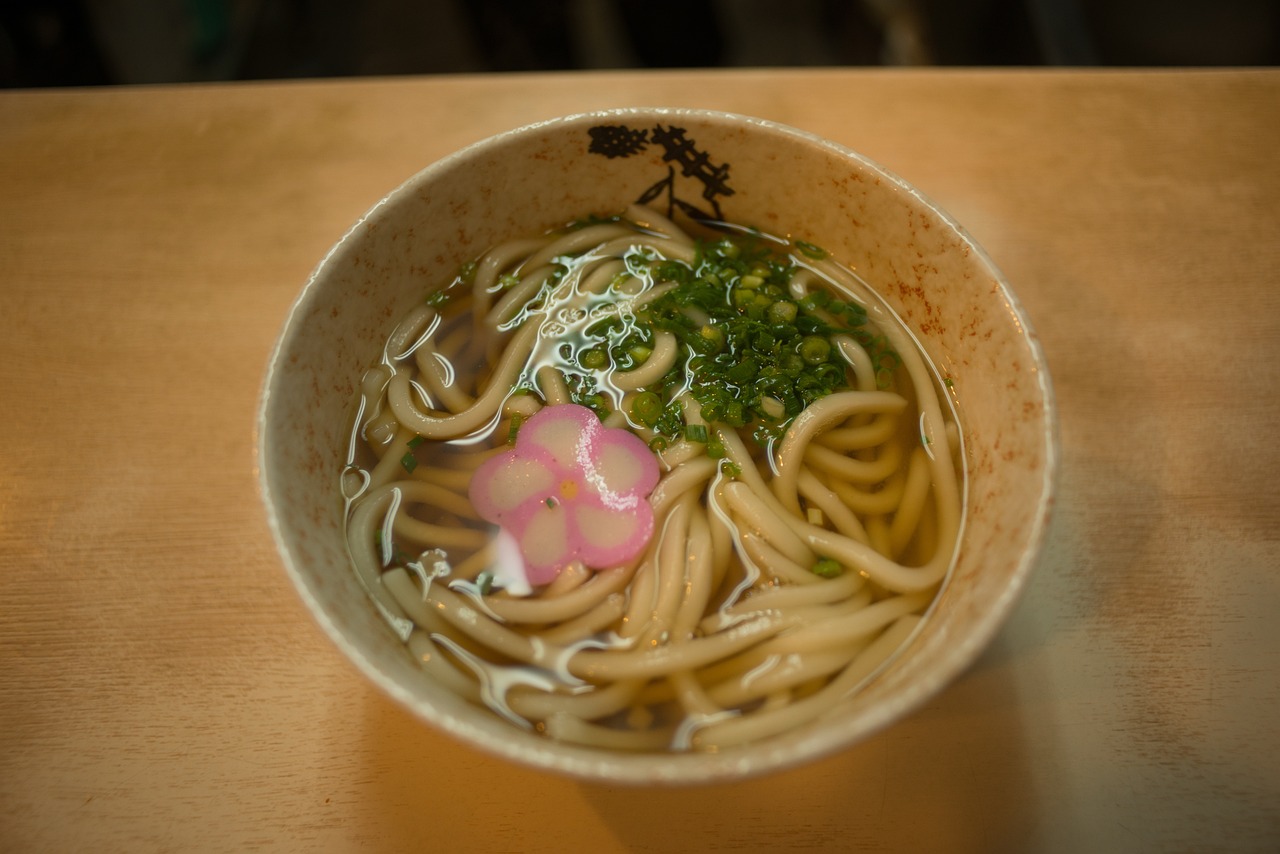
Few foods are as comforting, versatile, and culturally significant as a steaming bowl of udon. Thick, silky, satisfying, and remarkably adaptable, udon has been a staple of Japanese cuisine for centuries. Whether served in a delicate broth on a cold winter evening or chilled with a dipping sauce during the heat of summer, udon embodies the Japanese appreciation for simplicity, quality ingredients, and seasonal dining.
Today, udon has become one of the world's most recognizable noodle dishes, appearing in traditional restaurants, modern fusion cuisine, and home kitchens across the globe. Yet behind every bowl lies a fascinating history, regional traditions, and nutritional considerations that make this humble noodle far more interesting than many realize.
The Origins of Udon
The precise origins of udon remain the subject of historical debate. Most food historians believe that thick wheat noodles were introduced to Japan from China sometime between the 7th and 9th centuries during periods of active cultural exchange.
One popular account credits the Buddhist monk Kūkai (774–835 AD), founder of the Shingon school of Buddhism, with bringing early wheat-processing techniques back from China after his studies there. While historians cannot definitively confirm this story, there is little doubt that Chinese culinary influence helped shape Japan's early noodle traditions.
Initially, wheat was relatively scarce in Japan, making noodle dishes a luxury reserved for temples and the aristocracy. As wheat cultivation expanded throughout the medieval period, udon gradually became more accessible to the general population.
By the Edo Period (1603–1868), udon had evolved into a beloved everyday food enjoyed throughout much of Japan. Regional variations flourished, each reflecting local ingredients, climate, and culinary customs.
Today, udon is regarded as one of Japan's national comfort foods, standing proudly alongside ramen and soba.
The Nation Most Associated with Udon
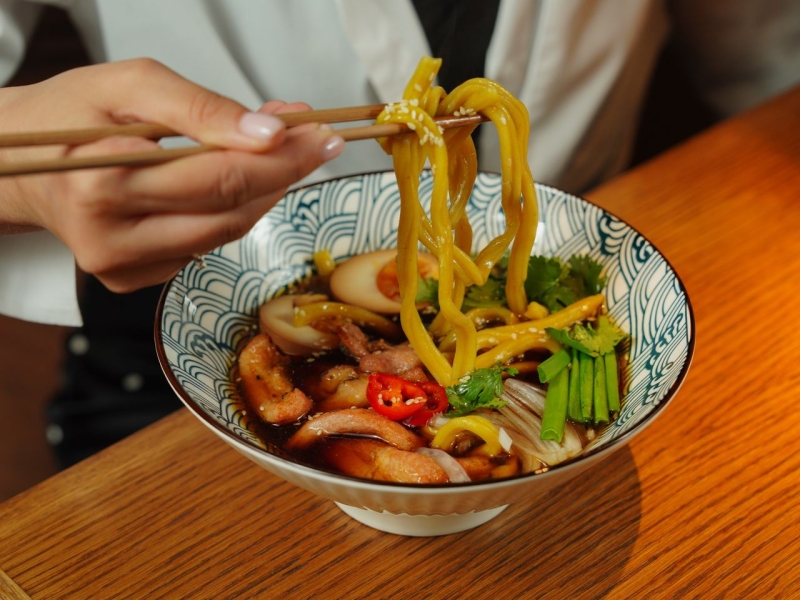
Although noodles originated through cultural exchanges with China, modern udon is unmistakably Japanese. No country is more closely associated with udon than Japan, where it occupies a cherished place in both everyday dining and special occasions. One region, however, has become synonymous with exceptional udon.
Kagawa Prefecture – The Udon Capital
Located on Japan's smallest main island of Shikoku, Kagawa Prefecture is widely regarded as the birthplace of the country's finest udon.
Known affectionately as "Udon Prefecture," Kagawa is famous for Sanuki Udon, a style characterized by:
• Exceptional chewiness
• Smooth texture
• Thick, square-cut noodles
• Firm bite
Residents consume some of the highest quantities of udon in Japan, and visitors often travel specifically to sample the hundreds of family-owned noodle shops that have perfected their recipes over generations.
Traditional Ingredients
One of udon's greatest strengths lies in its remarkable simplicity.
Traditional udon requires only four ingredients:
• Wheat flour
• Water
• Salt
• Time and skill
Unlike egg noodles, authentic udon contains no eggs, making it naturally vegan before sauces or toppings are added. The dough undergoes extensive kneading and resting, allowing gluten to develop fully. Interestingly, many traditional artisans still use a centuries-old technique of kneading the dough by foot. Wrapped securely in cloth or plastic, the dough is gently stepped on to achieve an exceptionally elastic texture impossible to duplicate through hurried mechanical mixing. Once rested, the dough is rolled flat and cut into thick strands before being boiled until perfectly tender yet pleasantly chewy.
The Secret Behind Great Udon
Excellent udon is surprisingly difficult to master.
The finest bowls balance several characteristics simultaneously:
• A silky exterior
• Firm, springy interior
• Smooth surface
• Uniform thickness
• Fresh aroma
The noodle should never be mushy or overly soft. Japanese chefs often describe ideal udon using the word "koshi," referring to a satisfying firmness and resilience that creates a pleasant chew. Freshly made noodles deliver a noticeably superior experience compared to dried varieties, offering greater elasticity and a richer wheat flavor. Water quality also plays a surprisingly important role. Many renowned noodle makers attribute part of their success to mineral-rich local water sources.
Popular Types of Udon
Throughout Japan, dozens of regional styles showcase the noodle's versatility.
Kake Udon
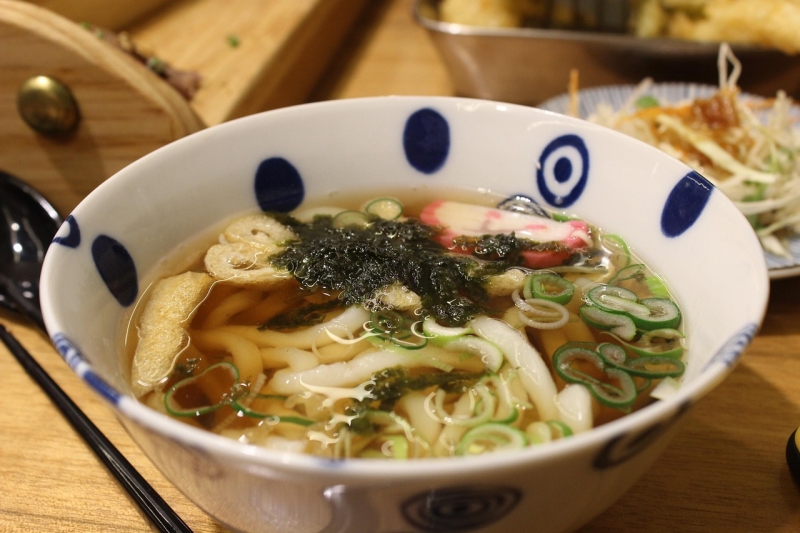
Perhaps the simplest presentation, served in a clear hot broth made from dashi, soy sauce, and mirin.
Kitsune Udon
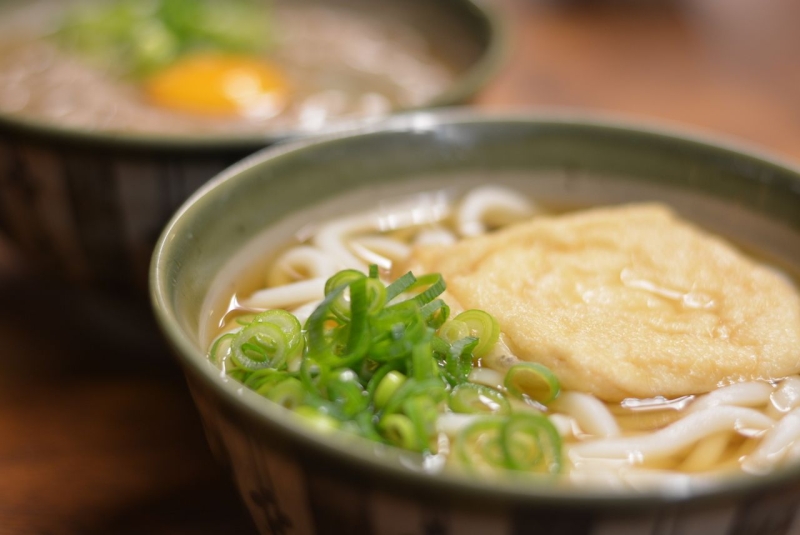
Features sweetened fried tofu (aburaage), believed by folklore to be favored by fox spirits.
Tempura Udon
Served with crispy shrimp or vegetable tempura, creating an appealing contrast between crunchy and silky textures.
Curry Udon
Combines Japanese curry with traditional broth to create a thick, warming dish rich in spices.
Nabeyaki Udon
Cooked and served in an earthenware pot with chicken, mushrooms, vegetables, fish cake, egg, and other seasonal ingredients.
Yaki Udon
A stir-fried preparation featuring vegetables, meat or seafood, and savory sauces.
Zaru Udon
Served chilled on a bamboo tray with a dipping sauce during warmer months.
Tanuki Udon
Typically garnished with crunchy tempura crumbs that add richness and texture. Each variety reflects regional tastes while preserving the essential character of the noodle itself.
Regional Variations
Japan's geography has produced numerous regional interpretations. In western Japan, broths tend to be lighter in color with a delicate dashi flavor. Eastern Japan generally favors darker, more robust soy-based broths. Hakata-style udon features softer noodles. Sanuki udon emphasizes firmness. Mizusawa udon, from Gunma Prefecture, is prized for exceptional smoothness. In Nagoya, some restaurants incorporate rich miso flavors, while northern regions often prepare hearty winter stews centered around udon.
Health Benefits
Despite its reputation as comfort food, udon can be part of a healthy diet when enjoyed thoughtfully.
Good Source of Energy
Because udon is primarily composed of complex carbohydrates, it provides sustained energy for physical activity and daily life. Athletes frequently enjoy noodle dishes before endurance events due to their digestibility and carbohydrate content.
Low in Fat
Traditional plain udon contains very little fat. Without rich toppings or fried additions, it remains one of the lighter noodle choices available.
Easily Digestible
The simple ingredients make udon relatively gentle on the digestive system. For this reason, it is often served to individuals recovering from illness or experiencing upset stomachs.
Can Be Nutrient Rich
Although the noodles themselves are fairly simple nutritionally, the complete meal often includes:
• Seaweed
• Green onions
• Mushrooms
• Bok choy
• Spinach
• Carrots
• Fish
• Shrimp
• Chicken
• Tofu
Together these ingredients contribute vitamins, minerals, antioxidants, lean protein, and fiber.
Hydration
Hot broth-based udon provides fluids along with electrolytes, making it especially comforting during colder weather or when recovering from illness.
Nutritional Profile
A typical serving of plain cooked udon contains approximately:
• Calories: 200–250
• Protein: 6–8 grams
• Carbohydrates: 40–50 grams
• Fat: Less than 2 grams
• Fiber: 2–3 grams
Exact values vary depending on preparation and serving size.
What Makes the Best Bowl of Udon?
A memorable bowl is more than excellent noodles. Japanese chefs strive for harmony among every component.
Ideal characteristics include:
• Freshly prepared noodles
• Rich yet delicate broth
• Balanced seasoning
• Seasonal vegetables
• Quality protein
• Thoughtful garnishes
• Visual beauty
The broth should enhance rather than overwhelm the noodle. Likewise, toppings should complement—not dominate—the overall dish. Fresh scallions, grated ginger, sesame seeds, nori, citrus zest, or shichimi pepper often provide the finishing touch.
Healthier Ways to Enjoy Udon
Nutrition experts generally recommend:
• Choosing broth-based rather than cream-based preparations
• Adding generous vegetables
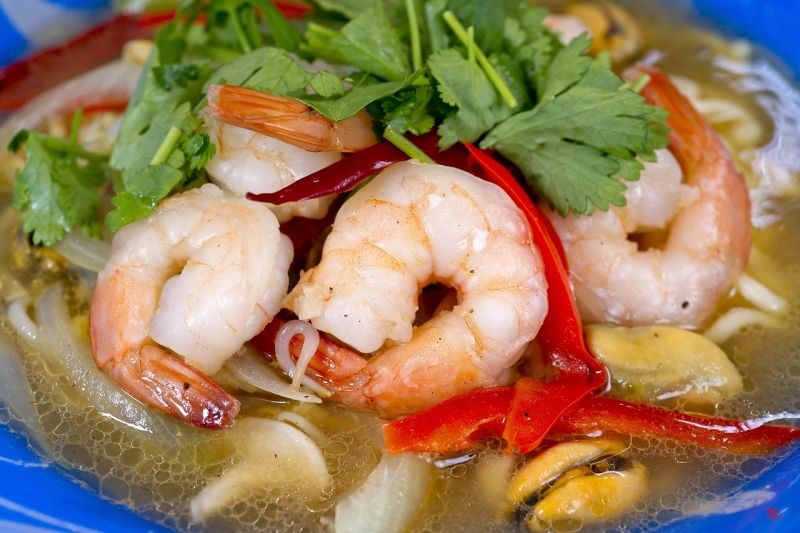
• Including lean proteins such as chicken, tofu, or seafood
• Limiting fried toppings
• Watching sodium intake
• Enjoying moderate portions
These simple choices significantly improve the meal's overall nutritional balance.
Potential Health Drawbacks
Although udon can certainly fit into a healthy eating pattern, there are several considerations.
High Refined Carbohydrates
Traditional udon uses refined wheat flour. Without whole grains, fiber content remains relatively low compared with whole wheat pasta or soba. Large portions may cause rapid increases in blood sugar for some individuals.
Gluten
Because udon is made from wheat, it contains gluten. Individuals with celiac disease or gluten sensitivity should avoid traditional udon entirely. Fortunately, some specialty producers now offer gluten-free alternatives made from rice flour or other grains.
Sodium
Perhaps the greatest nutritional concern comes not from the noodles themselves but from the broth. Many restaurant servings contain substantial amounts of sodium from soy sauce and concentrated dashi. Individuals with hypertension or heart disease should be mindful of broth consumption or request reduced-sodium preparations.
Calorie-Dense Toppings
Tempura shrimp, fried tofu, pork belly, creamy sauces, and generous portions can substantially increase calories. A bowl that begins as a relatively light meal can easily exceed 800 calories depending on preparation.
Portion Size
Restaurant servings continue to grow larger in many countries outside Japan. Oversized portions may contribute excessive calorie intake, particularly when accompanied by appetizers and sugary beverages.
Udon Around the World
As Japanese cuisine has gained international popularity, udon has found enthusiastic audiences throughout North America, Europe, Australia, and Southeast Asia.
Modern chefs increasingly incorporate local ingredients, creating innovative dishes featuring mushrooms, roasted vegetables, seafood, spicy sauces, or fusion flavors while respecting the noodle's traditional character. Even so, many Japanese culinary experts maintain that the finest bowls remain those emphasizing restraint, balance, and the natural flavor of freshly made noodles.
A Timeless Culinary Tradition
For centuries, udon has nourished families, comforted travelers, and reflected Japan's deep appreciation for craftsmanship and simplicity. From its ancient roots influenced by China to its celebrated place in modern Japanese cuisine, udon has become far more than just another noodle—it is a cultural symbol of hospitality, seasonal cooking, and culinary artistry.
Whether enjoyed in a humble neighborhood noodle shop in Kagawa, a bustling Tokyo restaurant, or prepared at home with fresh vegetables and a delicate broth, udon offers both nourishment and satisfaction. Its adaptability allows it to be dressed in elegant simplicity or transformed into hearty, flavor-filled meals that suit every season.
Like many traditional foods, the healthiest bowl is one prepared with quality ingredients, balanced portions, and thoughtful accompaniments. When enjoyed in moderation as part of a varied diet, udon remains one of the world's great comfort foods—simple in composition, rich in heritage, and enduringly delicious.