






Vitamin E - It’s origins, benefits and cautions
the great benefits gained from a sensible use of this powerful vitamin
5/26/2026
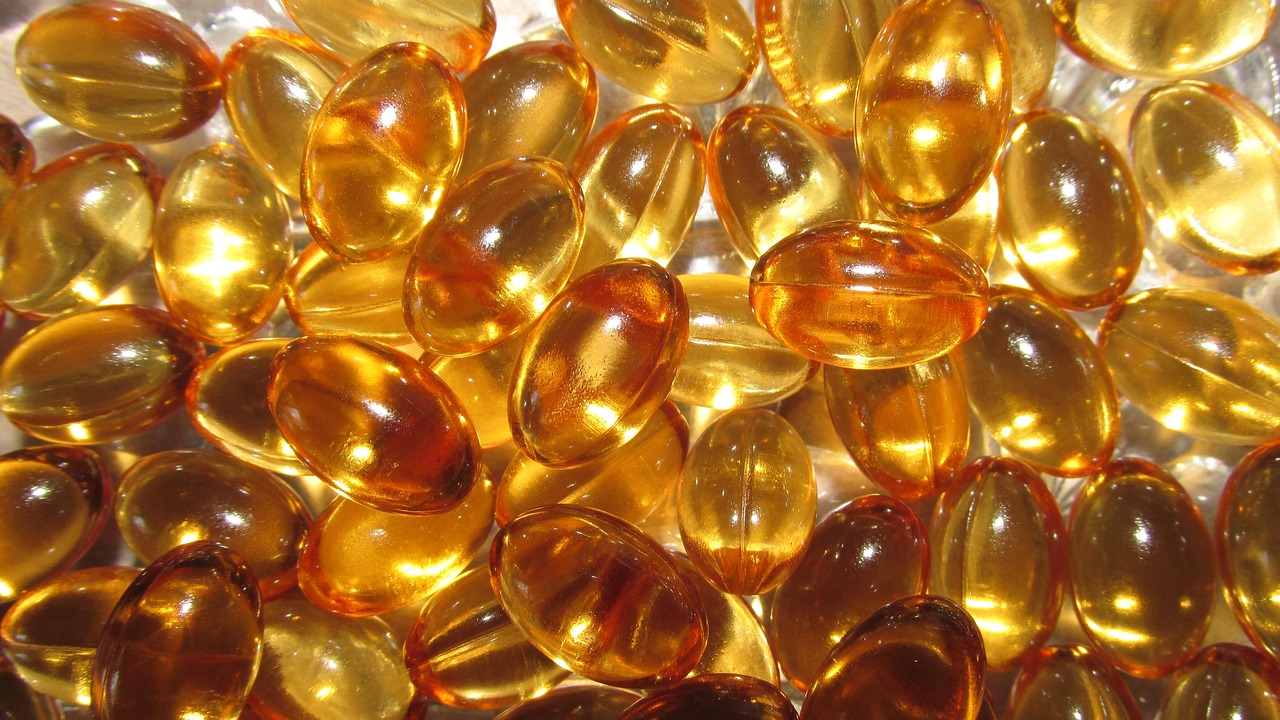
For decades, Vitamin E has remained one of the most discussed nutrients in the world of health, nutrition, skincare, and longevity. Praised for its antioxidant capabilities and often associated with youthful skin and vitality, Vitamin E is found naturally in foods, added to supplements, and infused into countless cosmetic products. Yet despite its popularity, many people still misunderstand what Vitamin E truly does, how best to consume it, and where excess use may become problematic.
Vitamin E is not a single compound but rather a family of fat-soluble antioxidants that play an essential role in protecting the body from oxidative stress and cellular damage. While moderate intake can support health in remarkable ways, overuse—particularly through high-dose supplementation—can potentially create unwanted effects.
Understanding the history, science, and practical uses of Vitamin E helps separate genuine benefit from exaggerated claims.
The Origin and Discovery of Vitamin E
Vitamin E was first discovered in 1922 by researchers Herbert Evans and Katherine Bishop while studying fertility in laboratory rats at the University of California, Berkeley. They observed that certain animals fed purified diets became infertile unless a previously unidentified nutrient was added back into their food.
The mysterious nutrient was originally called the “anti-sterility factor” before later being renamed Vitamin E.
Scientists eventually discovered that Vitamin E exists naturally in numerous plant oils, nuts, seeds, and leafy vegetables. Over time, research revealed that its importance extended far beyond reproduction. It became recognized as one of the body’s primary antioxidant defenses.
Today, Vitamin E is known to include eight naturally occurring compounds:
- Four tocopherols
- Four tocotrienols
Among these, alpha-tocopherol is the form most actively used by the human body and the form most often found in supplements.
What Exactly Does Vitamin E Do?
At its core, Vitamin E functions primarily as an antioxidant.
Every day, the body produces unstable molecules known as free radicals. These molecules can damage cells, proteins, and DNA through a process called oxidative stress. Oxidative stress has been associated with:
- Aging
- Heart disease
- Certain cancers
- Cognitive decline
- Skin deterioration
- Inflammatory disorders
Vitamin E helps neutralize these free radicals before they can cause widespread cellular injury.
Because Vitamin E is fat-soluble, it becomes incorporated into cell membranes throughout the body, helping protect delicate tissues from damage.
Natural Food Sources of Vitamin E
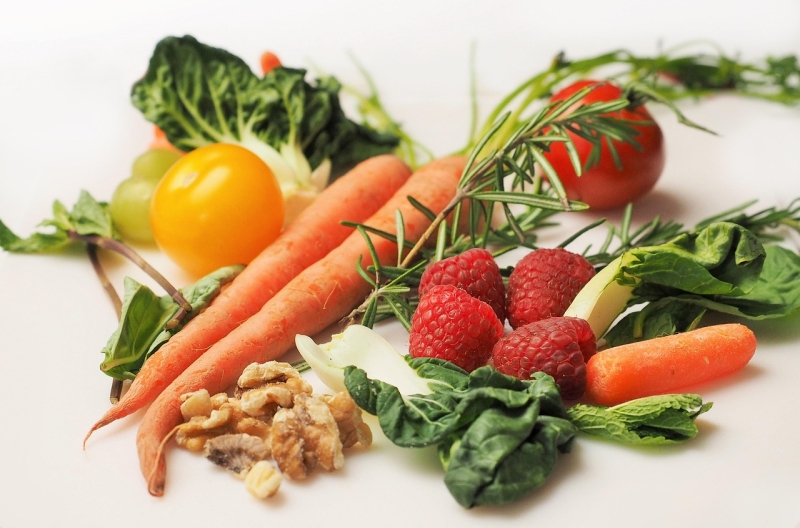
Vitamin E is best obtained naturally through diet whenever possible. Foods rich in Vitamin E include:
Nuts and Seeds
- Almonds
- Sunflower seeds
- Hazelnuts
- Pine nuts
Oils
- Wheat germ oil
- Sunflower oil
- Safflower oil
- Olive oil
- Avocado oil
Vegetables
- Spinach
- Swiss chard
- Broccoli
- Kale
Fruits
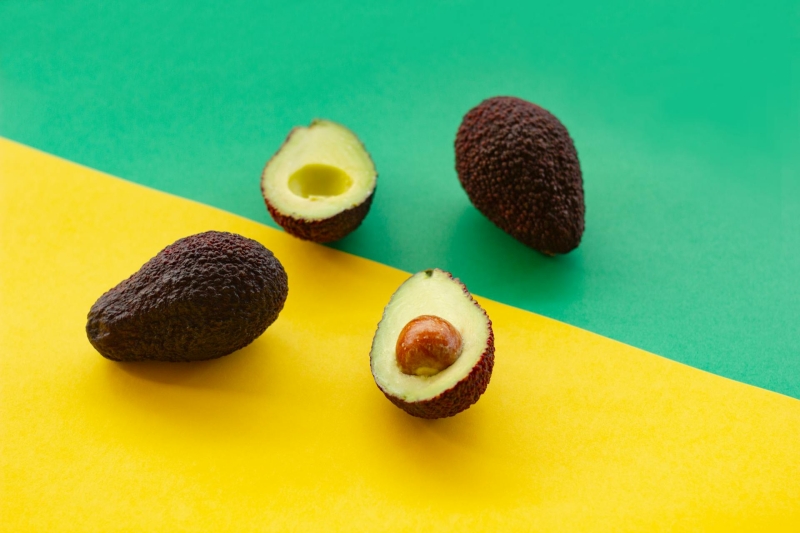
- Avocados
- Kiwi
- Mango
Seafood
- Salmon
- Trout
Among all foods, wheat germ oil contains one of the highest natural concentrations of Vitamin E.
Vitamin E and Skin Health
One of the primary reasons Vitamin E gained worldwide popularity is its relationship to skin appearance and protection.
Vitamin E helps:
- Protect skin cells from oxidative damage
- Reduce moisture loss
- Support the skin barrier
- Calm inflammation
- Potentially reduce UV-related skin injury
Because of these properties, Vitamin E is commonly found in:
- Creams
- Moisturizers
- Facial oils
- Scar treatments
- Anti-aging products
Some people apply Vitamin E oil directly onto scars or dry skin areas. While many report softer skin and reduced irritation, scientific evidence regarding scar reduction remains mixed.
Still, Vitamin E does appear beneficial for:
- Dry skin support
- Environmental skin stress
- Reducing roughness
- Supporting wound healing in certain individuals
However, topical Vitamin E may irritate sensitive skin in some people and occasionally trigger dermatitis or clogged pores.
Vitamin E and Longevity
Researchers have long investigated whether antioxidants such as Vitamin E may contribute to longevity and slower aging.
The reasoning is logical:
- Oxidative stress contributes to cellular aging
- Vitamin E helps reduce oxidative damage
- Therefore, Vitamin E may theoretically help preserve healthier tissues over time
Some studies suggest adequate Vitamin E intake may support:
- Cardiovascular health
- Brain function
- Immune resilience
- Cellular preservation
However, large-scale human studies have produced mixed results regarding whether high-dose Vitamin E supplementation directly extends lifespan.
Most experts now believe:
- Moderate dietary intake is highly beneficial
- Extremely high supplemental doses are not necessarily better
Longevity appears to depend on overall lifestyle patterns rather than a single nutrient alone.

Benefits for Strength and Physical Performance
Vitamin E supports muscle and nerve function because it helps protect cells from oxidative stress generated during physical exertion.
Potential benefits include:
- Supporting circulation
- Assisting muscle recovery
- Reducing exercise-induced oxidative damage
- Supporting immune health during physical stress
Athletes sometimes use Vitamin E supplements believing they improve endurance or recovery. While moderate intake may help overall health, excessive supplementation has not consistently shown dramatic athletic advantages.
Vitamin E and the Immune System
Vitamin E contributes to healthy immune function, particularly as people age.
Research suggests it may:
- Support T-cell activity
- Enhance immune responsiveness
- Help older adults maintain better immune defense
Because oxidative stress increases with age, antioxidant support becomes increasingly important later in life.
Potential Detriments and Risks of Overuse
Although Vitamin E is beneficial in proper amounts, excessive supplementation can create problems.
Because Vitamin E is fat-soluble, the body stores excess amounts rather than rapidly excreting them.
Very high doses may increase the risk of:
- Bleeding complications
- Hemorrhagic stroke
- Interference with blood clotting
- Medication interactions
This is especially important for people taking:
- Blood thinners
- Aspirin
- Certain heart medications
Some large studies also raised concerns that excessive long-term supplementation might be associated with increased health risks in certain populations.
The lesson is simple:
More is not always better.
Signs of Too Much Vitamin E
Possible symptoms of excessive Vitamin E intake may include:
- Nausea
- Headaches
- Fatigue
- Blurred vision
- Digestive upset
- Increased bruising
Extremely high doses should never be taken casually without medical supervision.
How Best to Consume Vitamin E
The healthiest approach is generally through whole foods rather than megadose supplements.
Best Practices
- Consume Vitamin E with healthy fats for improved absorption
- Focus on natural food diversity
- Use supplements conservatively unless advised otherwise
Because Vitamin E is fat-soluble, absorption improves when eaten with:
- Avocados
- Olive oil
- Nuts
- Fat-containing meals
For example:
A spinach salad with olive oil and almonds provides a highly absorbable natural source.
Recommended Intake
General adult recommendations are approximately:
- 15 mg daily for adults
Many people can achieve this naturally through a balanced diet.
Supplements vary widely, often containing doses far above daily requirements.
Who Should Be Careful?
Certain individuals should use caution with high-dose Vitamin E:
- People on blood thinners
- Individuals preparing for surgery
- Those with bleeding disorders
- Smokers using certain supplement combinations
- Individuals taking multiple antioxidant supplements simultaneously
Consulting a physician before beginning high-dose supplementation is wise.
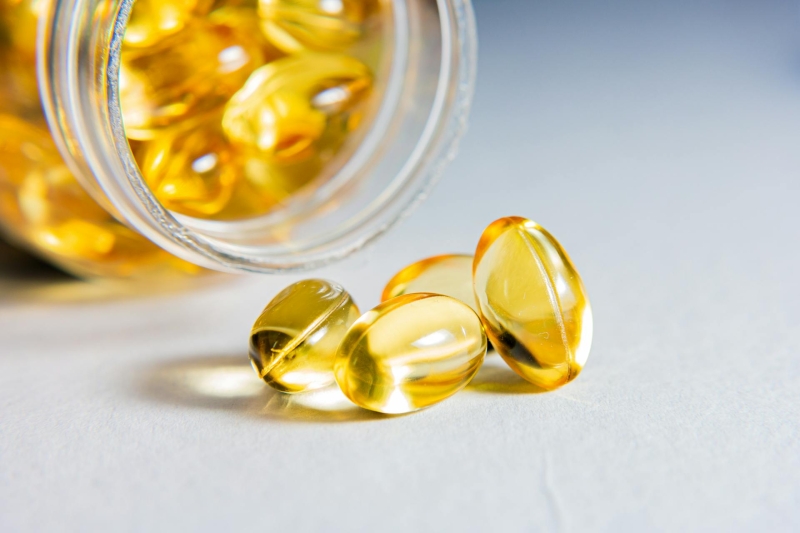
Natural Versus Synthetic Vitamin E
Not all Vitamin E supplements are identical.
Natural Vitamin E is often labeled:
- “d-alpha-tocopherol”
Synthetic versions may appear as:
- “dl-alpha-tocopherol”
Natural forms are generally considered more biologically active and better utilized by the body.
Final Thoughts
Vitamin E remains one of the body’s most important antioxidant nutrients. From protecting skin and supporting immune health to defending cells from oxidative damage, its role in human health is substantial.
Yet the greatest benefits appear to come not from extreme supplementation, but from balance:
- A nutrient-rich diet
- Moderate intake
- Healthy lifestyle habits
- Proper medical guidance when supplementing
Nature often works best through moderation rather than excess. A handful of almonds, fresh greens, avocados, and quality oils may provide the body with what it truly needs far more effectively than chasing oversized supplement doses.
When used wisely, Vitamin E can be an important ally in supporting skin vitality, overall wellness, and healthy aging for years to come.