






WALNUTS: AN ANCIENT SUPERFOOD
A Comprehensive Exploration of Their Origins, Benefits, and Role in Human Health
11/26/2025
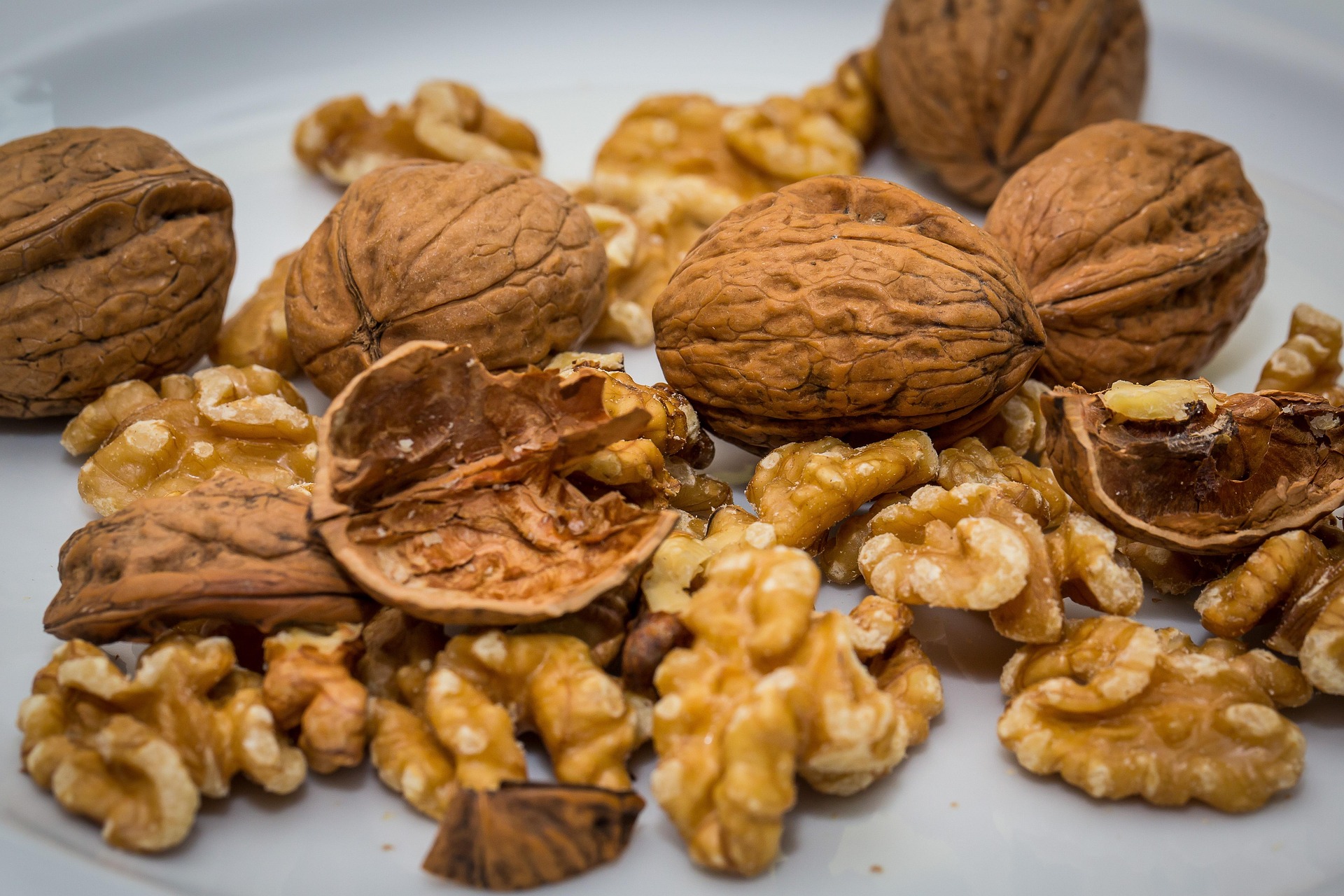
Walnuts are among the oldest cultivated tree foods known to humanity. Archaeological findings show that humans consumed wild walnuts as early as 7000 B.C., making them one of the first tree nuts incorporated into prehistoric diets. Their storied journey spans continents, cultures, and empires.
The earliest varieties trace back to the Persian region—modern-day Iran—and the Caucasus, where the climate and terrain proved ideal for the hardy walnut tree. From there, trade routes such as the Silk Road carried walnuts through Asia and into Europe. Ancient Greek and Roman civilizations embraced them not only as food but also as a symbol of fertility, wisdom, and abundance. The Romans were so taken by the rich, oily nut that they called it Juglans regia, meaning “the royal acorn.”
European explorers later brought walnuts to the New World. By the 18th century, the trees flourished in California, which would soon become the world’s walnut epicenter.
Yes—walnuts are unmistakably tree nuts, belonging to the botanical family Juglandaceae, which includes hickory and pecan trees. The edible portion is technically the seed of the fruit produced by the walnut tree. Encased within a hard shell and surrounded by a fleshy green husk, walnuts are structurally similar to other true tree nuts such as almonds, pistachios, pecans, and cashews.
This classification matters not only botanically, but also nutritionally. Tree nuts share antioxidant richness, plant-based proteins, and monounsaturated fats; however, the walnut stands out for one exceptional reason: its unusually high concentration of omega-3 fatty acids, a trait unmatched among its nut peers.
Regions Known for Superior Quality
China produces huge quantities of walnuts, particularly in Yunnan and Xinjiang provinces. While often used for domestic markets, some export varieties are valued for their milder taste and cost-effectiveness.
Europe offers specialty varieties such as:
• French Grenoble walnuts, known for their slightly sweet, refined flavor.
• Sorrento walnuts from Italy, loved in confectionery and traditional recipes.
While many regions grow walnuts, California consistently ranks as the most trusted source for quality, safety, and processing standards.
Walnuts are considered a “superfood,” and with good reason. A single handful (about 1 ounce) delivers an impressive blend of vitamins, minerals, healthy fats, and antioxidants. Their benefits span multiple areas of human health.
Walnuts contain the highest level of plant-based omega-3 fatty acids (ALA) of all tree nuts. These essential fats:
-
Reduce inflammation
-
Improve blood lipid profiles
-
Help maintain flexible arteries
-
Lower risk of cardiovascular disease
Studies show that regular walnut consumption can significantly reduce LDL (“bad”) cholesterol—an effect even stronger than that of almonds and pecans.
Ancient civilizations believed walnuts improved cognition because their shape resembles a human brain. Modern science confirms that this intuitive symbolism wasn’t far off:
-
Omega-3s and polyphenols support neural function
-
Walnuts reduce oxidative stress in brain tissue
-
They may improve memory, reaction time, and mood
-
Studies suggest potential protection against cognitive decline
No other nut delivers this combination of neuroprotective compounds.
Walnuts are rich in polyphenols, melatonin, and vitamin E—all potent antioxidants known to combat cellular damage. This makes walnuts a useful dietary support in preventing:
-
Type 2 diabetes
-
Chronic inflammation
-
Certain cancers
-
Aging-related degenerative diseases
Walnut consumption helps diversify the gut microbiome by feeding beneficial bacteria that support digestion, immunity, and metabolic balance. Few nuts have shown such consistent effects on microbiome enhancement.
Despite their high fat content, walnuts may actually help in weight control. Their combination of protein, fiber, and healthy fats promotes prolonged fullness, reducing overeating throughout the day.
Walnuts rank extremely high compared to other nuts, fruits, and seeds due to their unique omega-3 profile and antioxidant power. Here’s how they compare:
-
Walnuts: Highest omega-3s, excellent antioxidants, strong heart & brain benefits
-
Almonds: Higher in vitamin E, good for skin & cholesterol
-
Pistachios: Highest in lutein for eye health
-
Cashews: Rich in iron and zinc
-
Pecans: Very high in antioxidants but much higher in calories
Walnuts typically rank #1 or #2 in most nutrition studies focused on chronic disease prevention and overall nutrient density.
When compared ounce-for-ounce to antioxidant-rich fruits such as blueberries, pomegranates, or strawberries, walnuts hold their own—and in some studies outperform them in antioxidant activity. Unlike fruit, walnuts also provide protein and essential fatty acids. Walnuts are consistently placed among the healthiest foods in the world, not just the healthiest nuts.
What to Know Before Adding Them to Your Diet**
Walnuts are overwhelmingly beneficial for most people, but a few considerations are worth noting.
As a true tree nut, walnuts can trigger serious allergic reactions. Individuals with nut allergies should avoid them completely.
Walnuts are calorie-dense (about 185 calories per ounce). While healthy, overconsumption can contribute to unwanted weight gain. Moderation is key: the ideal serving is a small handful, roughly 14 halves per day.
Due to their high omega-3 content, walnuts can oxidize more quickly than other nuts. They should be stored:
-
In an airtight container
-
In the refrigerator for regular use
-
In the freezer for long-term storage
Rancid walnuts lose nutritional value and can upset digestion.
Like all nuts and seeds, walnuts contain phytic acid, which may reduce mineral absorption. This is a minor concern unless consumed in extremely high quantities.
Walnuts have journeyed from the ancient groves of Persia to the orchards of California, earning a reputation as one of the most nourishing foods available to humans. They combine:
-
Remarkably high omega-3 levels
-
Potent antioxidants
-
Complete brain and heart support
-
Gut-healthy prebiotic effects
-
Strong nutritional ranking among all nuts and fruits
While they should be eaten with an eye toward moderation and freshness, walnuts remain one of the most versatile and beneficial foods that nature provides.
Whether sprinkled over salads, blended into sauces, added to breakfast bowls, or enjoyed straight from the shell, walnuts continue to prove that this ancient “royal acorn” deserves its place at the modern table.