






Weight Loss Drugs & Injectables
the science, the scams and the price of believing
10/30/2026
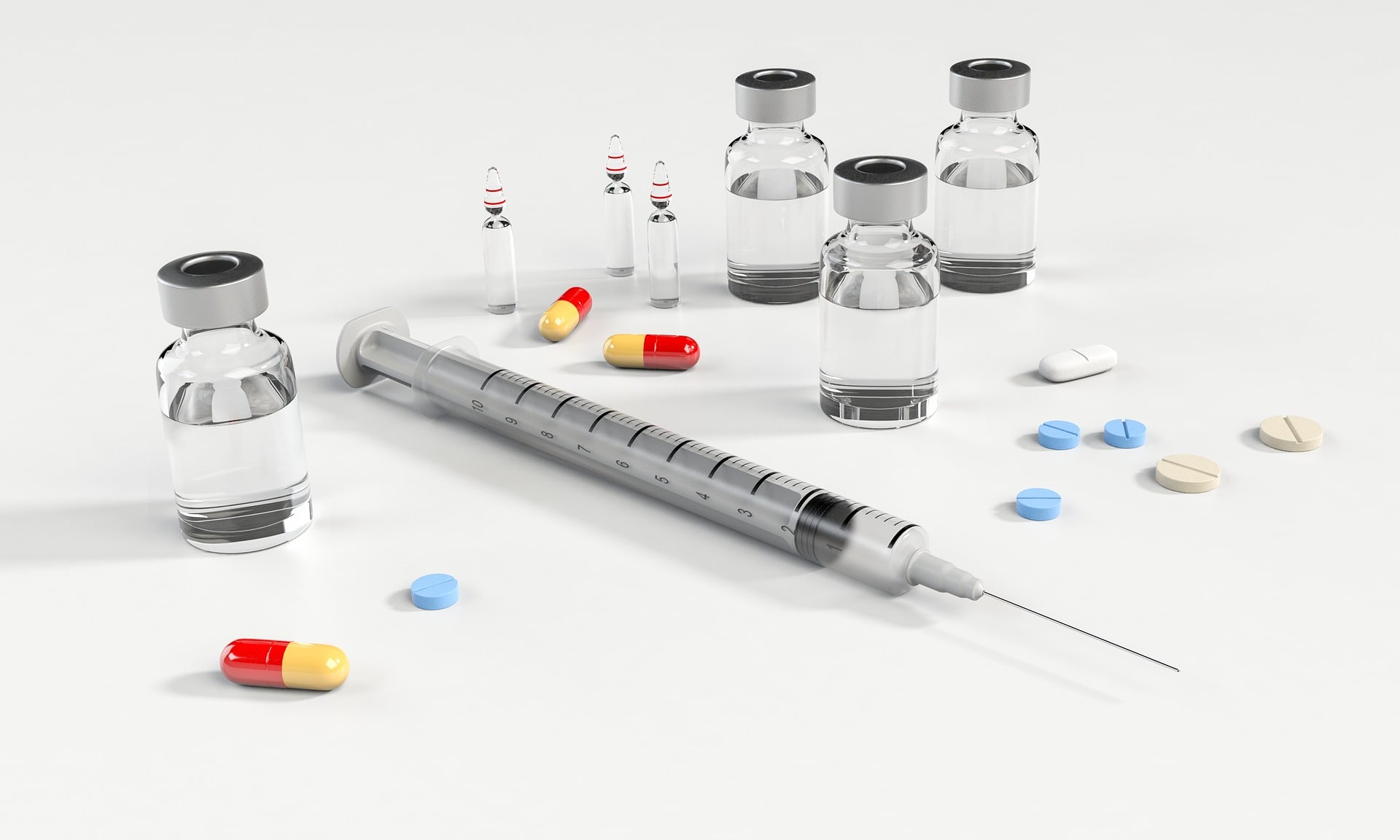
The promise is powerful: less hunger, fewer cravings, and weight loss that once seemed impossible. For people who have spent years cycling through diets, that possibility can feel like relief before the first prescription is even filled.
But the weight-loss marketplace puts very different products side by side. A prescription medicine supported by large clinical trials may appear in the same social media feed as an unapproved injection, a counterfeit pen, or a supplement borrowing the language of legitimate science.
Some treatments work remarkably well for appropriately selected patients. Others have little convincing evidence behind them. Some sellers are exploiting a genuine medical advance to market products whose contents, effectiveness, or safety cannot be trusted.
Understanding the difference requires looking beyond the transformation photographs. What was actually tested? Who received it? How much weight did they lose? What happened when they stopped? And what risks disappear from view when the advertisement ends?
How the weight-loss revolution began
Long before weekly injections became household conversation, researchers were studying how the digestive system communicates with the pancreas and brain.
One important discovery involved glucagon-like peptide-1, or GLP-1, a hormone released in response to food. Research during the 1980s helped establish its role in stimulating insulin release when blood glucose rises. Scientists eventually developed medicines that could reproduce aspects of that signal and remain active longer than the natural hormone. The path from laboratory discovery to obesity treatment took decades.
There was also an unexpected contribution from the Gila monster. Researchers identified a compound called exendin-4 in the lizard’s venom that acts on the same receptor as GLP-1. A synthetic version, exenatide, received FDA approval for type 2 diabetes in 2005. That history does not mean today’s weight-loss medicines are simply bottled lizard venom; it illustrates how an unusual biological discovery can help establish a new treatment approach.
The early focus was diabetes. As researchers studied these medicines, their effects on appetite and body weight became increasingly important. Liraglutide became the first GLP-1 receptor agonist approved for obesity treatment in 2014, followed by more effective options.
This history matters because the current drugs did not emerge overnight. Their popularity is recent compared with the science behind them.
What the medicines actually do
Semaglutide acts on GLP-1 receptors. Tirzepatide acts on receptors for both GLP-1 and another hormone, glucose-dependent insulinotropic polypeptide, or GIP. These treatments influence appetite and food intake, help regulate blood glucose, and can slow stomach emptying. They do not literally dissolve fat at the injection site.
Brand names can obscure important distinctions. Ozempic and Wegovy contain semaglutide; Mounjaro and Zepbound contain tirzepatide. Their approved uses, formulations, and prescribing instructions differ. Sharing an active ingredient does not make products interchangeable without medical guidance.
Nor is every legitimate weight-management medicine an injection. Older oral treatments include orlistat, phentermine-topiramate, and naltrexone-bupropion, each with its own benefits and limitations.
The market has continued to evolve. Oral Wegovy received FDA approval in December 2025, and the FDA approved the oral GLP-1 medicine Foundayo, orforglipron, in April 2026. A pill can therefore be a genuine prescription treatment—but that does not validate an unrelated gummy, drop, or “GLP-1 support” supplement. Evidence belongs to the particular product and formulation studied.
Is there convincing evidence that they work?
Yes. For specific prescription medicines, the evidence goes well beyond testimonials.
In the STEP 1 randomized trial, adults with overweight or obesity but without diabetes received weekly semaglutide 2.4 milligrams or placebo, alongside lifestyle intervention. At 68 weeks, average weight loss was approximately
For someone starting at 200 pounds, 14.9% represents roughly 30 pounds. That is an illustration of the average percentage, not a prediction for an individual patient.
In SURMOUNT-1, another randomized trial involving adults with overweight or obesity without diabetes, average weight loss at 72 weeks ranged from 15.0% to 20.9% across the tirzepatide doses studied, compared with 3.1% with placebo. Participants also received lifestyle support.
These are substantial results. They also require careful interpretation.
An average includes people who lost more, people who lost less, and people who could not continue treatment. The findings concern particular doses, populations, and follow-up periods. They do not prove that every person will achieve the advertised result, or that a differently prepared product will perform the same way.
A before-and-after photograph cannot provide that information. It rarely tells viewers how many people started treatment, how many stopped, what else they were doing, or whether the weight stayed off.
The benefits can extend beyond the scale
Weight loss is only one possible measure of medical value.
The SELECT trial studied semaglutide in more than 17,600 adults with established cardiovascular disease and overweight or obesity, but without diabetes. Major cardiovascular events occurred in 6.5% of participants receiving semaglutide and 8.0% receiving placebo over an average follow-up of about 40 months.
That translates to a 20% relative reduction, but a 1.5-percentage-point absolute difference during the study. Both numbers are useful; advertising often favors the larger-sounding relative figure.
These findings apply to the population studied. They do not establish that the same cardiovascular benefit exists for a healthy person seeking a small cosmetic weight loss.
The important question is whether treatment improves a particular patient’s health enough to justify its risks and burdens.
What happens when treatment stops?
One of the most consequential omissions in weight-loss advertising is the maintenance plan.
In an extension of STEP 1, participants who had received semaglutide regained approximately two-thirds of their previous weight loss during the year after the medicine and structured lifestyle intervention were withdrawn. Several improvements in cardiometabolic measures also moved back toward baseline.
Because both medication and structured support ended, the study should not be read as a precise forecast for every patient who discontinues treatment. It nevertheless shows why a short course cannot be assumed to produce a permanent result.
Weight regain is not evidence that patients lacked character or that the original treatment was fraudulent. It is evidence that obesity often requires continuing management.
Before starting, patients need a realistic discussion about duration, affordability, follow-up, and what happens if treatment becomes unavailable or intolerable. A compelling first-month offer says little about whether the full treatment plan is sustainable.
Real medicines carry real risks
A medicine can be effective and still be unsuitable for a particular person.
Nausea, vomiting, diarrhea, constipation, and abdominal discomfort are familiar adverse effects of these treatments. For some patients, symptoms are manageable. For others, they interfere with eating, hydration, daily activities, or the ability to continue therapy.
Prescribing information also addresses potentially serious problems, including pancreatitis, gallbladder disease, kidney injury associated with dehydration, severe gastrointestinal reactions, and serious allergic reactions. These outcomes differ in frequency and severity; listing them together does not mean they are equally common.
Severe, persistent abdominal pain, repeated vomiting with inability to keep fluids down, or signs of a serious allergic reaction warrant prompt medical attention. They should not be dismissed as proof that a drug is “working.”
Semaglutide and tirzepatide also carry boxed warnings concerning thyroid C-cell tumors observed in rodents. Whether they cause those tumors in humans is unknown. Their contraindications include a personal or family history of medullary thyroid carcinoma or multiple endocrine neoplasia syndrome type 2. That is more specific than saying everyone with any thyroid condition is automatically ineligible.
Pregnancy plans and other medicines require attention. Semaglutide’s instructions include stopping at least two months before a planned pregnancy. Tirzepatide can reduce the effectiveness of oral hormonal contraceptives; its instructions advise a non-oral method or additional barrier protection for four weeks after starting and four weeks after each dose increase. Patients should discuss these issues with their prescriber rather than improvising changes.
Patients should also tell their anesthesia team about treatment before surgery or procedures involving deep sedation because delayed stomach emptying can affect aspiration risk.
Responsible reporting must correct exaggerated danger claims as well as exaggerated promises. In January 2026, the FDA requested removal of suicidal-behavior and ideation warnings from the affected GLP-1 weight-management medicines after its comprehensive review found no increased risk. Older warnings should not be repeated as if that review never happened.
Losing weight without losing sight of health
A lower number on the scale does not reveal everything that has changed.
Weight loss can include loss of lean tissue as well as fat. Eating substantially less can also make it harder to obtain adequate protein, vitamins, and minerals. These concerns deserve particular attention when a person is older, already physically weak, or struggling to eat enough.
A joint advisory from major nutrition and obesity organizations emphasizes nutritional assessment, adequate protein, and strength training during GLP-1 treatment. Protein alone is not a substitute for the muscular stimulus provided by resistance exercise.
The aim is to preserve function while improving health. Strength, energy, mobility, nutritional status, and the ability to maintain everyday activities deserve attention alongside body weight. A program that celebrates rapid loss while ignoring those measures provides an incomplete picture of success.
Where legitimate treatment meets a risky marketplace
High demand creates opportunities for businesses offering convenience and lower prices. It also creates opportunities for deception.
Compounded medicines require particular care in this discussion. Compounding can serve a legitimate medical need when an approved product cannot meet an individual patient’s requirements. It is not automatically a scam.
However, compounded products are not FDA-approved. The agency does not review each compounded preparation for safety, effectiveness, and quality before marketing. A compounded semaglutide product is not an FDA-approved generic equivalent of Wegovy or Ozempic simply because a seller describes it that way.
The FDA also warns about products containing semaglutide salt forms, fraudulent pharmacy information, and drugs sold under “research use” labeling for human consumption. The regulatory circumstances governing compounding can change, so an old claim about shortages is not sufficient justification for a current product.
Dosing mistakes present another distinct danger. The FDA has documented errors involving compounded injectable semaglutide in which patients administered five to 20 times the intended amount. Some required medical attention or hospitalization.
Concentrations and syringe measurements can vary. A direction expressed in “units” can be dangerous if patients do not understand how it relates to the prescribed dose and the particular concentration supplied. Never assume instructions from one vial or provider apply to another.
The FBI has separately warned about fraudulent compounding practices involving products with unknown ingredients, impurities, or drugs that do not contain the semaglutide buyers expect. A polished clinic or website is not a substitute for a traceable medicine supply.
Counterfeit pens, celebrity endorsements, and borrowed credibility
Counterfeit weight-loss medicines are a documented problem. The FDA has seized counterfeit Ozempic and warned that falsified products have entered the U.S. supply chain. Familiar packaging cannot establish authenticity on its own.
Other schemes begin before a buyer ever reaches a pharmacy.
The Federal Trade Commission warns that scammers use fabricated celebrity and influencer endorsements, including manipulated audio and video, to promote products such as weight-loss supplements. A recognizable face may never have used the product—or agreed to endorse it.
A seller may also display a genuine study beside an unrelated product. That creates an impression of scientific support without demonstrating that the item being sold was tested.
A trial of injectable semaglutide does not validate a botanical capsule. Research on one ingredient does not establish the effectiveness of a multi-ingredient formula. A laboratory finding is not the same as meaningful, sustained weight loss in people.
The most revealing question is often straightforward: Can the seller identify a credible human trial of this exact product, in this formulation, for the result being promised?
The older schemes wearing new language
The arrival of effective prescription drugs has not eliminated the market for unsupported weight-loss products.
“GLP-1 support,” “natural Ozempic,” “metabolic reset,” and “fat-burning” are marketing descriptions. Their presence on a package does not show that a product reproduces the effects of an approved medicine.
The NIH Office of Dietary Supplements describes the evidence for many weight-loss supplement ingredients as limited or inconclusive. Studies may be small, short, or poorly designed. Supplements can also interact with medicines, and some products have been adulterated with undeclared pharmaceutical ingredients. “Natural” does not establish safety or effectiveness.
The FDA continues to publish notifications about weight-loss products containing hidden drugs. Its list cannot identify every dangerous product on the market, so the absence of a warning is not proof of safety.
HCG is another example. Although the hormone has legitimate medical uses, the FDA has not approved it for weight loss. There is no substantial evidence that it improves weight loss beyond calorie restriction. Programs pairing HCG with an extremely restrictive diet can make the injection appear responsible for changes actually driven by eating very little—while exposing participants to additional risks.
Vitamin B12 injections should not be confused with proven obesity treatment either. Treating a deficiency can be appropriate, but that does not establish B12 as a weight-loss drug. A VA/DoD guideline found no studies evaluating weight loss from B12 injections or other B12 preparations.
The danger of believing too much
The vulnerability in this market is understandable. Someone who has repeatedly struggled with weight may be especially receptive to a confident explanation and a promise of relief.
The danger begins when confidence substitutes for evidence.
A seller may promise a particular result without reviewing medical history. A patient may tolerate increasingly severe symptoms because dramatic weight loss has been framed as the overriding goal. An appealing introductory price may obscure continuing fees, medicine costs, or the absence of accessible follow-up care.
None of those concerns means every online clinic is illegitimate. Telehealth can provide real medical care. The distinction lies in the assessment, prescribing standards, pharmacy supply, monitoring, and accountability—not whether the appointment takes place through a screen.
The FDA recommends using pharmacies that require a prescription, are licensed by the appropriate state board, and provide access to a licensed pharmacist. Patients can verify licensing through state-board resources rather than relying on a website’s own badges.
Before paying, ask:
- What exact medicine and formulation am I receiving?
- Is it FDA-approved, compounded, or investigational?
- Who is prescribing it, and which pharmacy supplies it?
- What benefit is realistic for someone with my medical history?
- Who will respond if I develop side effects?
- What is the full ongoing cost?
- What is the plan if I need to stop?
A provider offering appropriate care should welcome those questions.
Keeping hope grounded in evidence
For people living with obesity, effective medication can be an important medical option. Dismissing every treatment as a fad overlooks substantial clinical evidence. Believing every offer because some treatments work exposes consumers to a different kind of harm.
The evidence supports particular medicines, used for particular patients, with attention to dose, tolerability, nutrition, and continuing care. It does not support a blanket promise that weight loss is easy, permanent, or free of risk.
The most useful measure of success is a healthier life that a person can sustain. That requires more than a convincing advertisement, a lower price, or a dramatic photograph. It requires knowing what is being taken, why it is being prescribed, what outcomes are realistic, and who remains responsible when the sale is complete.
This article addresses the U.S. market and provides general health information, not individualized prescribing advice.